


Fertility treatments

ICSI (Intracytoplasmic Sperm Injection)
*image by Freepik
What is ICSI?
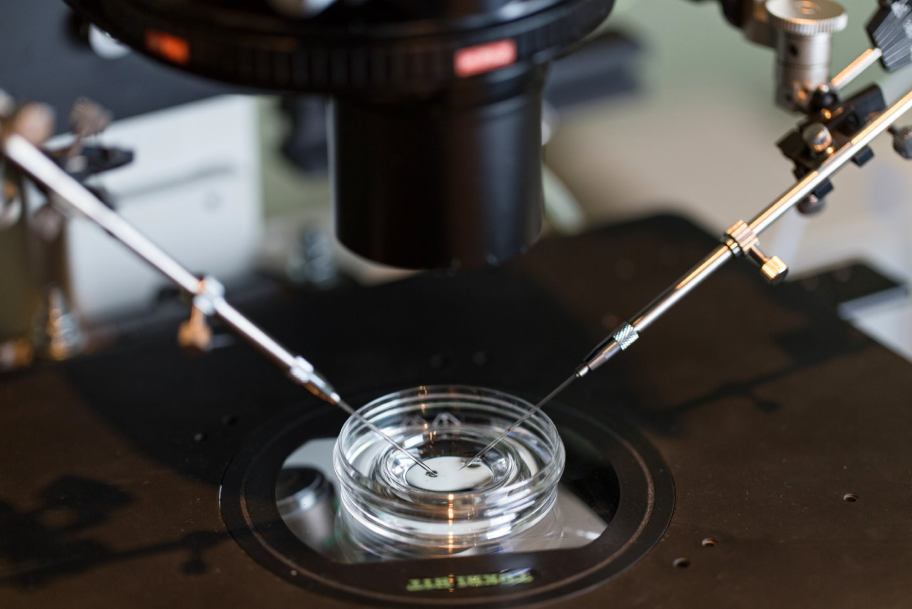
ICSI is an IVF procedure in which a single sperm cell is injected directly into the centre of a mature egg in order to create an embryo.
ICSI is designed to make fertilisation more effective, therefore improving your chance of IVF success
How does it work?
Your eggs are collected in the same way as conventional IVF, and a single sperm is injected into the centre of each mature egg to assist fertilisation in the laboratory. We use ICSI in conjunction with an IVF cycle when we believe that fertilisation is unlikely to occur using conventional IVF.
In the same way as conventional IVF, one or two of the resulting embryos can then be transferred to your womb, and any additional suitable embryos can be frozen for your future use.
Bourn Hall’s fertility experts have performed ICSI since 1993, making our embryologists in this type of treatment technique amongst the best in the world.
Who is ICSI for?
We’ve helped create thousands of families through successful IVF treatment
ICSI may be appropriate for men who:
Produce very low number of sperm
Have slow moving sperm
Have a high number of abnormal-shaped sperm
Need sperm to be collected surgically from the testicles
Have high levels of antibodies in their semen
Have had sperm tests which reveal that the sperm would be unlikely to achieve fertilisation, or embryo quality and implantation may be compromised
ICSI is also ideal for couples who:
Have experienced previous failed IVF cycles due to fertilisation issues
Have very few eggs to fertilise
Are planning pre-implantation genetic testing (PGT) of embryos
ICSI (Intracytoplasmic Sperm Injection) Frequently Asked Questions
ICSI (Intracytoplasmic Sperm Injection) is an advanced fertility technique used as part of IVF. It involves injecting a single healthy sperm directly into an egg to help achieve fertilisation.
In standard IVF, eggs and sperm are placed together in the laboratory and fertilisation occurs naturally. With ICSI, fertilisation is assisted by injecting one sperm into each egg, which can be helpful in cases of male factor infertility or previous fertilisation failure.
ICSI may be recommended for couples with low sperm count, poor sperm movement or shape, sperm DNA issues, previous failed IVF fertilisation, or when sperm has been surgically retrieved.
ICSI can improve fertilisation rates in specific cases, particularly when sperm-related issues are present. However, overall pregnancy success also depends on factors such as egg quality, embryo development, uterine health, and age.
ICSI has been used worldwide for many years and is considered safe when performed by experienced fertility specialists and embryologists. As with all fertility treatments, your doctor will discuss any potential risks before treatment begins.
ICSI follows the same initial steps as IVF, including ovarian stimulation and egg collection. The key difference is fertilisation, where a single sperm is injected into each egg. Embryos are then monitored before transfer or freezing.
At Bourn Hall, ICSI is performed in advanced embryology laboratories by highly trained embryologists. Treatment plans are personalised, combining clinical expertise with precise laboratory techniques to support the best possible outcomes.
Yes. ICSI is often used when previous IVF cycles resulted in low or no fertilisation. Reviewing earlier treatment and adjusting the approach can help improve fertilisation and embryo development.
In some cases, preimplantation genetic testing (PGT) may be recommended alongside ICSI to assess embryo chromosomal health, particularly for couples with recurrent miscarriage or known genetic risks.
An ICSI cycle usually follows a similar timeline to IVF, often taking a few weeks from the start of medication to embryo transfer. Timings can vary depending on individual treatment plans.
Yes. Factors such as smoking, excessive alcohol intake, poor diet, stress, and obesity can affect sperm and egg quality. Making healthy lifestyle changes can support treatment success.
A fertility specialist at Bourn Hall will assess your fertility tests, medical history, and previous treatments to determine whether ICSI is the most appropriate option for your situation.
